Deutsche Aligners: Designing the Future of Clear Aligner Care.
Type:
Product Design
Status:
Sector:

Lumentra Labs partnered with VioResume to design and build an AI-powered resume platform from the ground up. We crafted every screen and interaction — from onboarding to job matching — helping users stand out and land their dream job faster.
The Problem
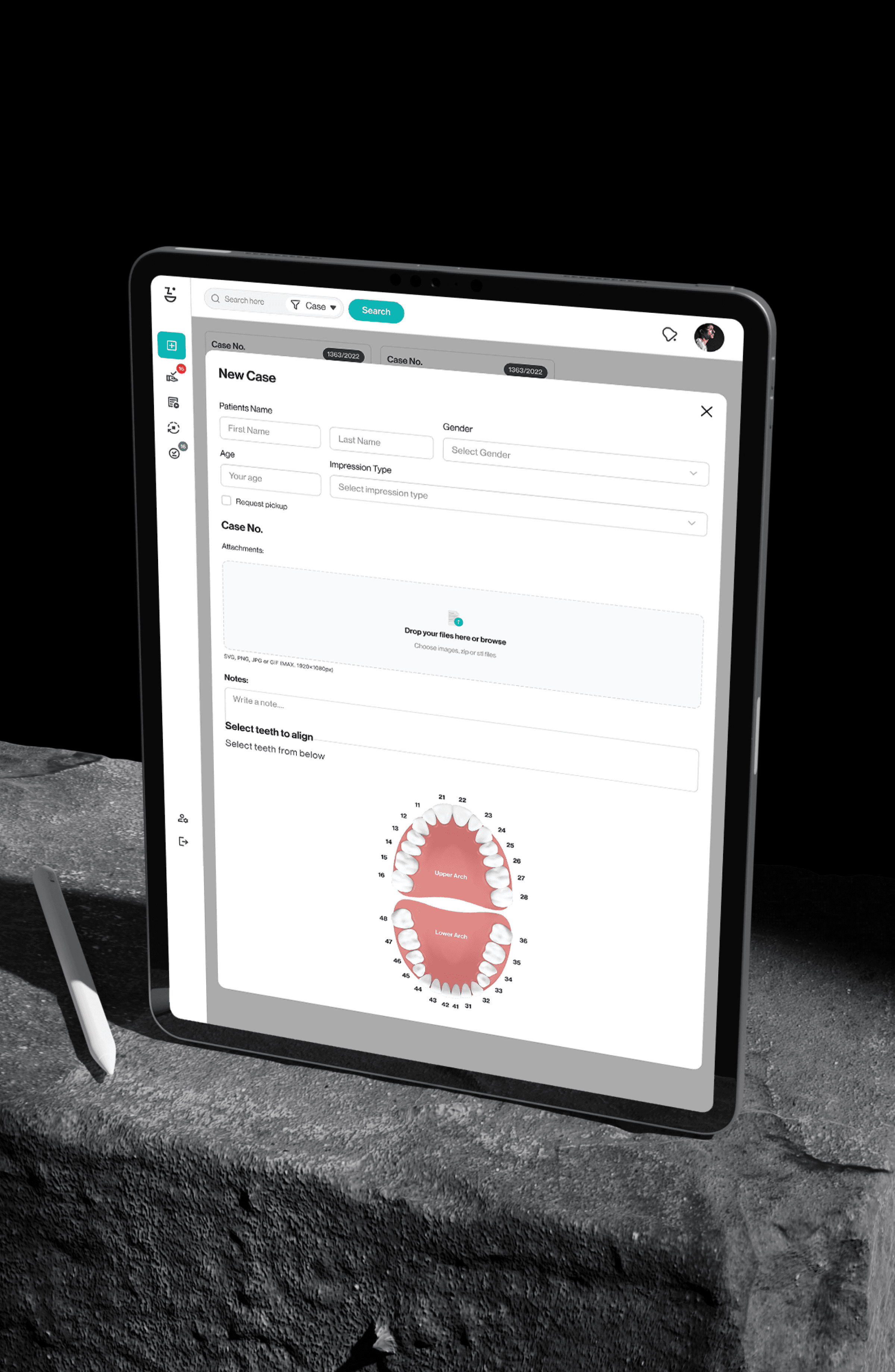
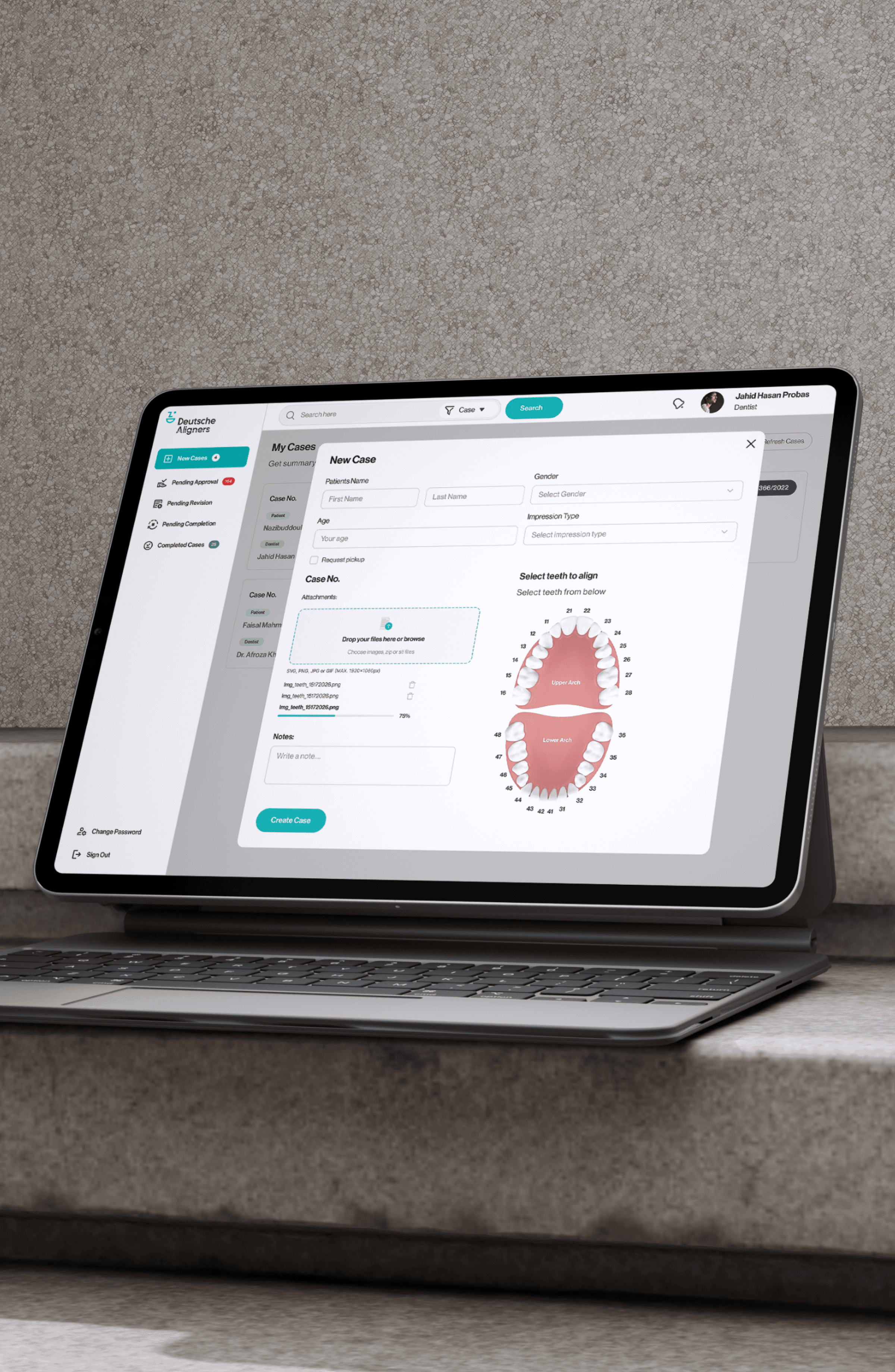
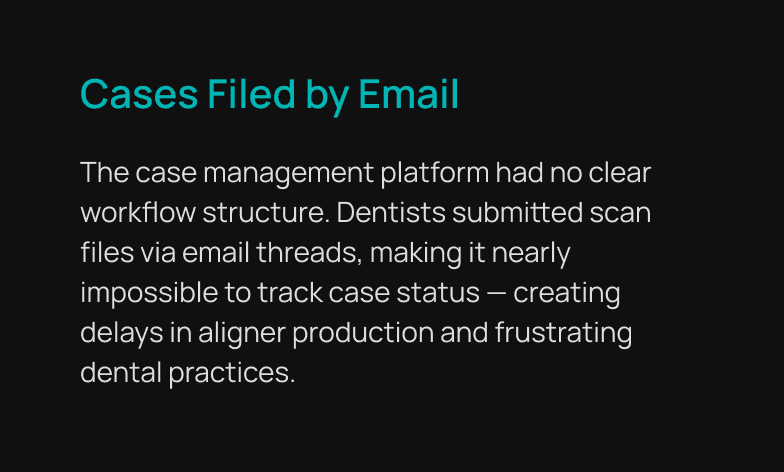
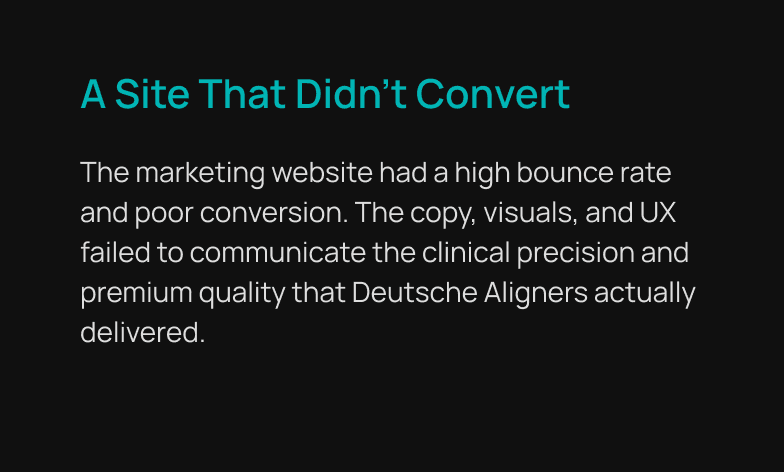
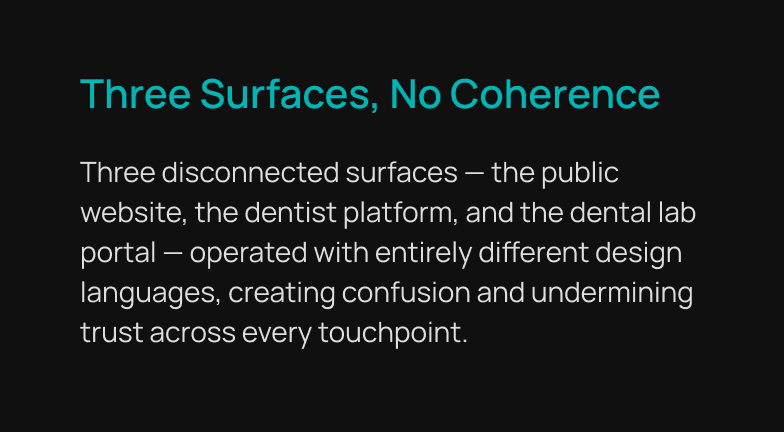
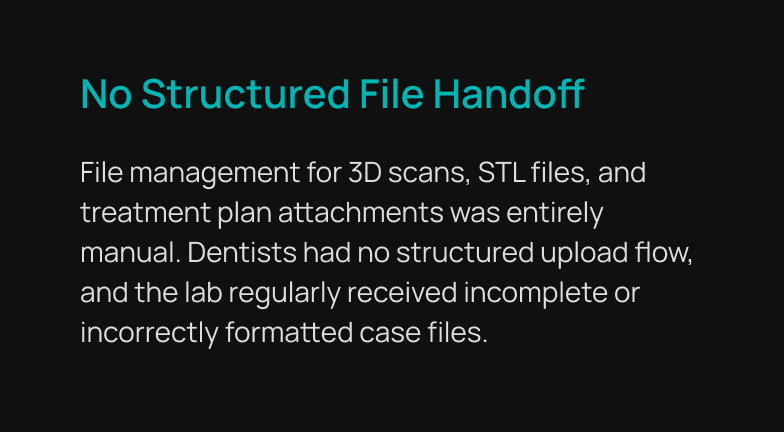
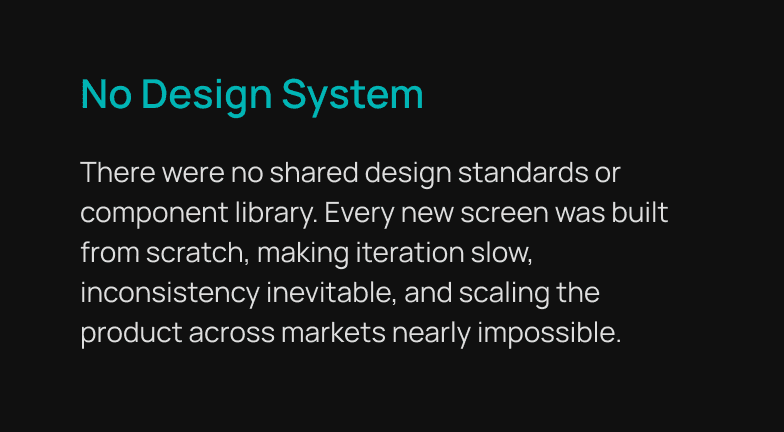
Deutsche Aligners had built a strong clinical reputation, but their digital experience was actively working against them. Dentists struggled with a fragmented case submission workflow, the marketing site failed to convert visitors, and there was no cohesive design system tying any of it together.
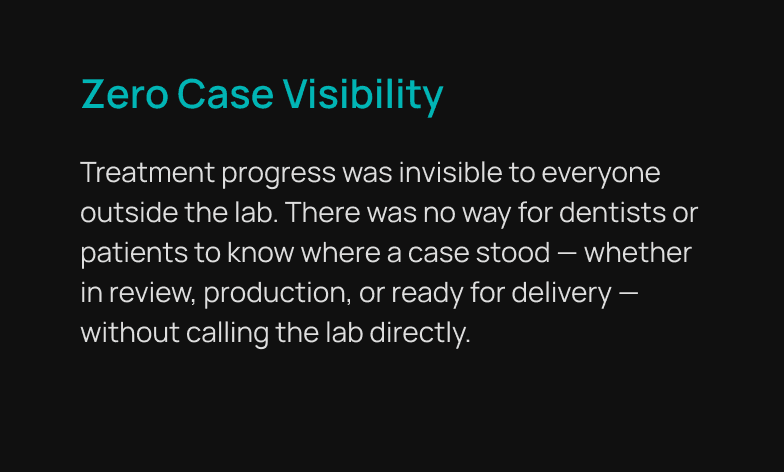

Within six months of launch, Deutsche Aligners' user base grew by 263% while their bounce rate dropped by 87% — a clear signal that the redesign didn't just look better; it worked better.
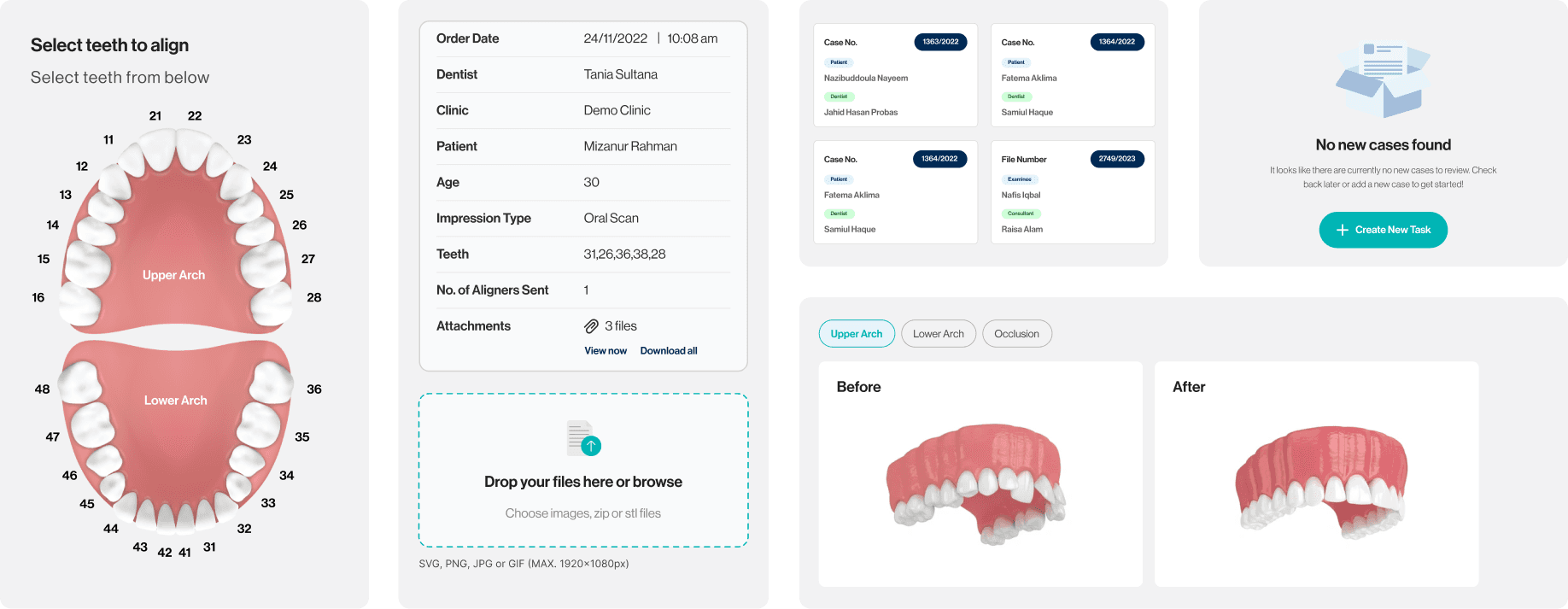
Designed around the people who use it every day. We put dentists at the centre of every decision — mapping their real workflows, removing the friction that cost them time, and replacing it with clarity at every touchpoint. Deutsche Aligners had the clinical precision. We built the digital experience to match it.
Structure Before Style
Designed around the people who use it every day. We put dentists at the centre of every decision — mapping their real workflows, removing the friction that cost them time, and replacing it with clarity at every touchpoint. Deutsche Aligners had the clinical precision. We built the digital experience to match it.
Structure Before Style
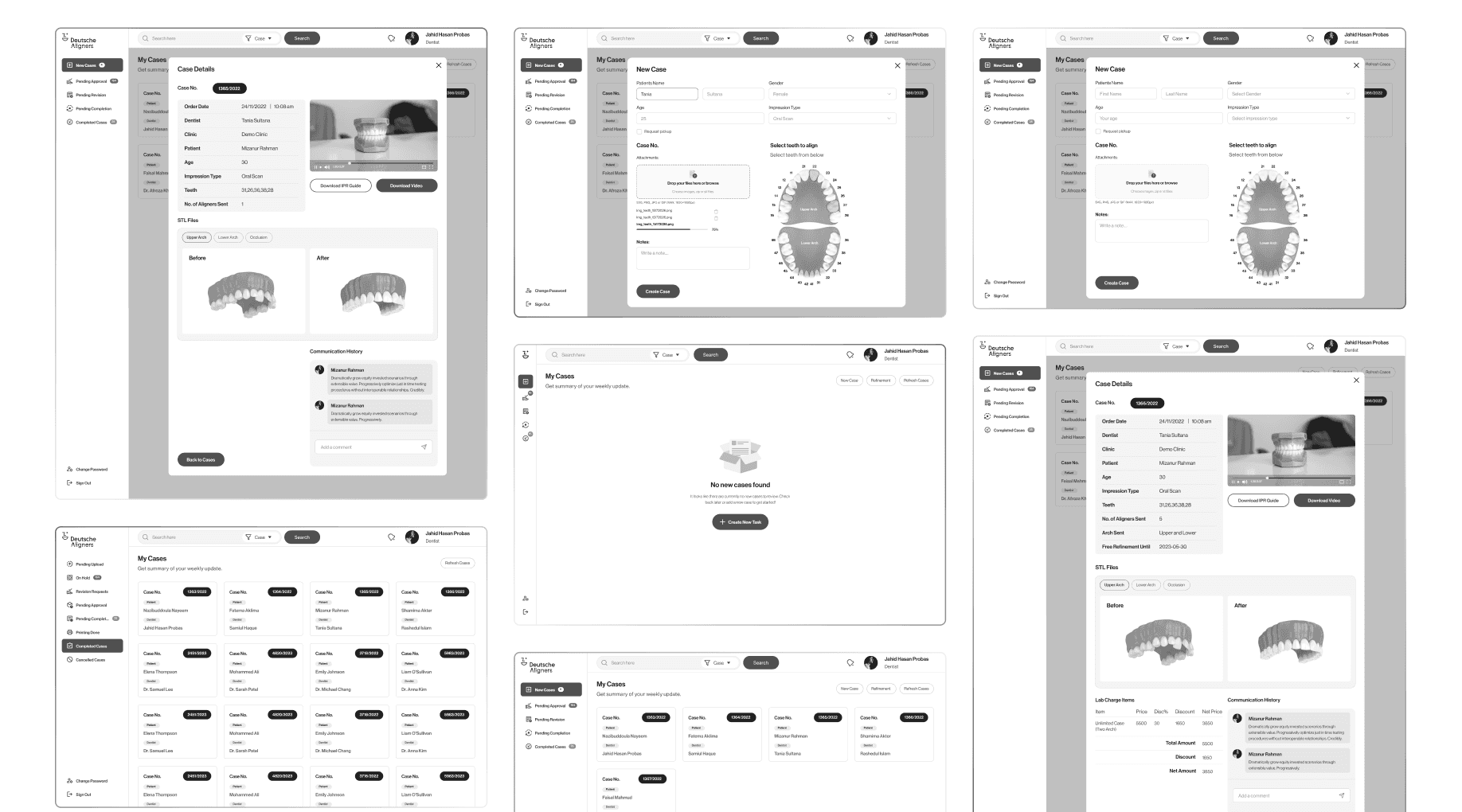
Before a single colour was applied or component built, we wireframed all three surfaces — the marketing site, the dentist platform, and the lab portal. Low-fidelity first, so every layout decision was grounded in user flows, not aesthetics. Structure locked in, then style followed.
From Skeleton to Screen
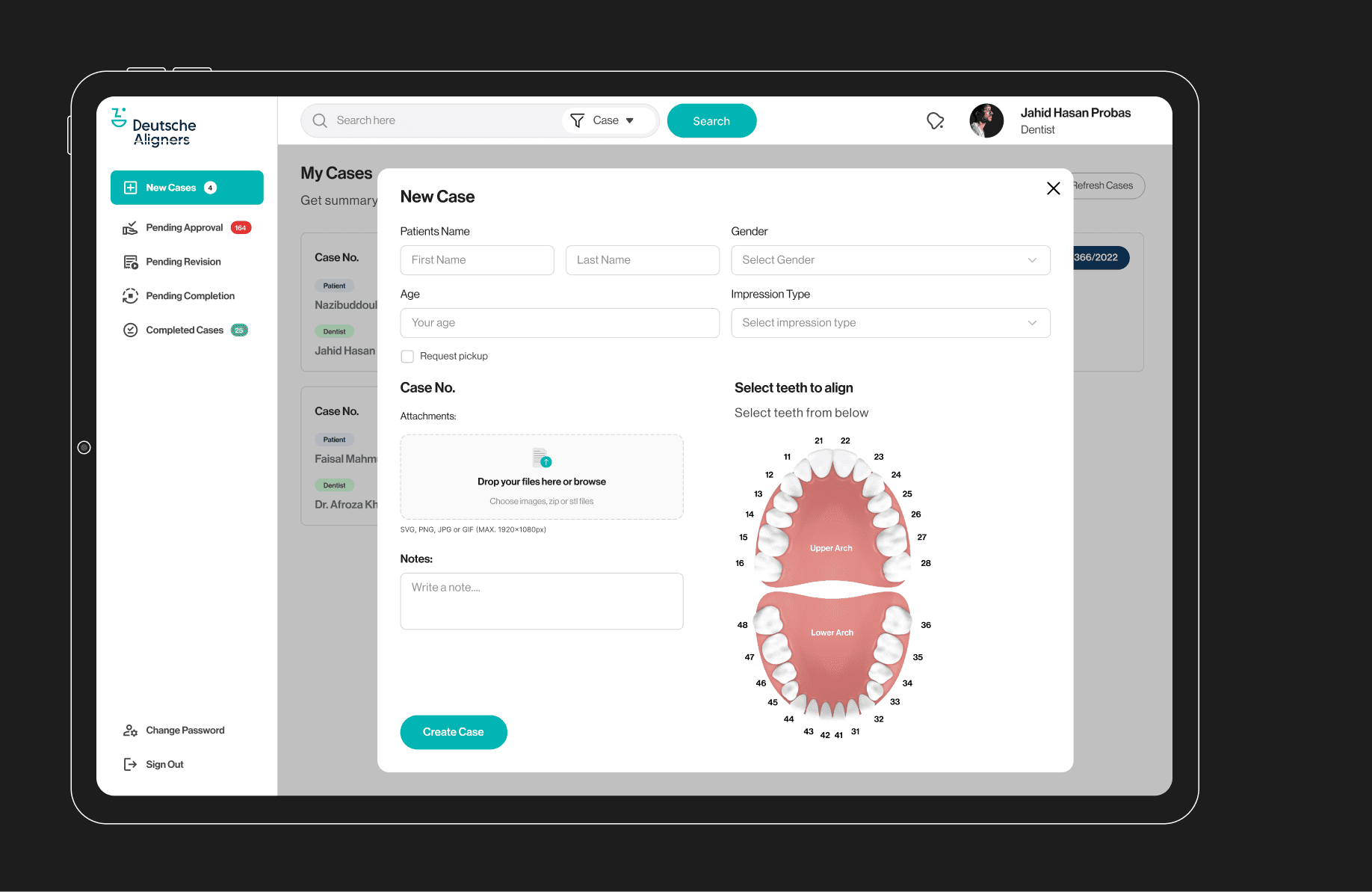
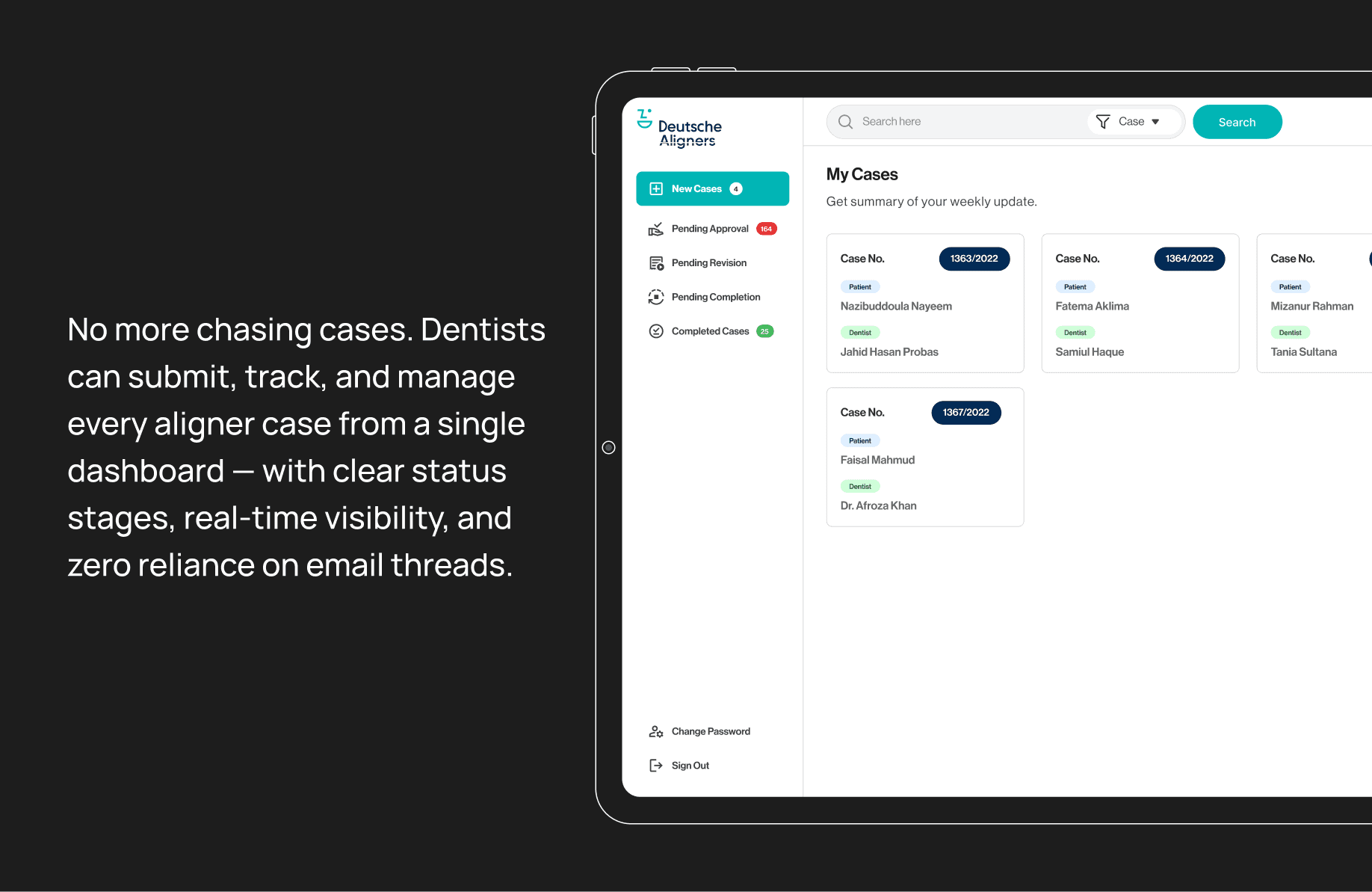
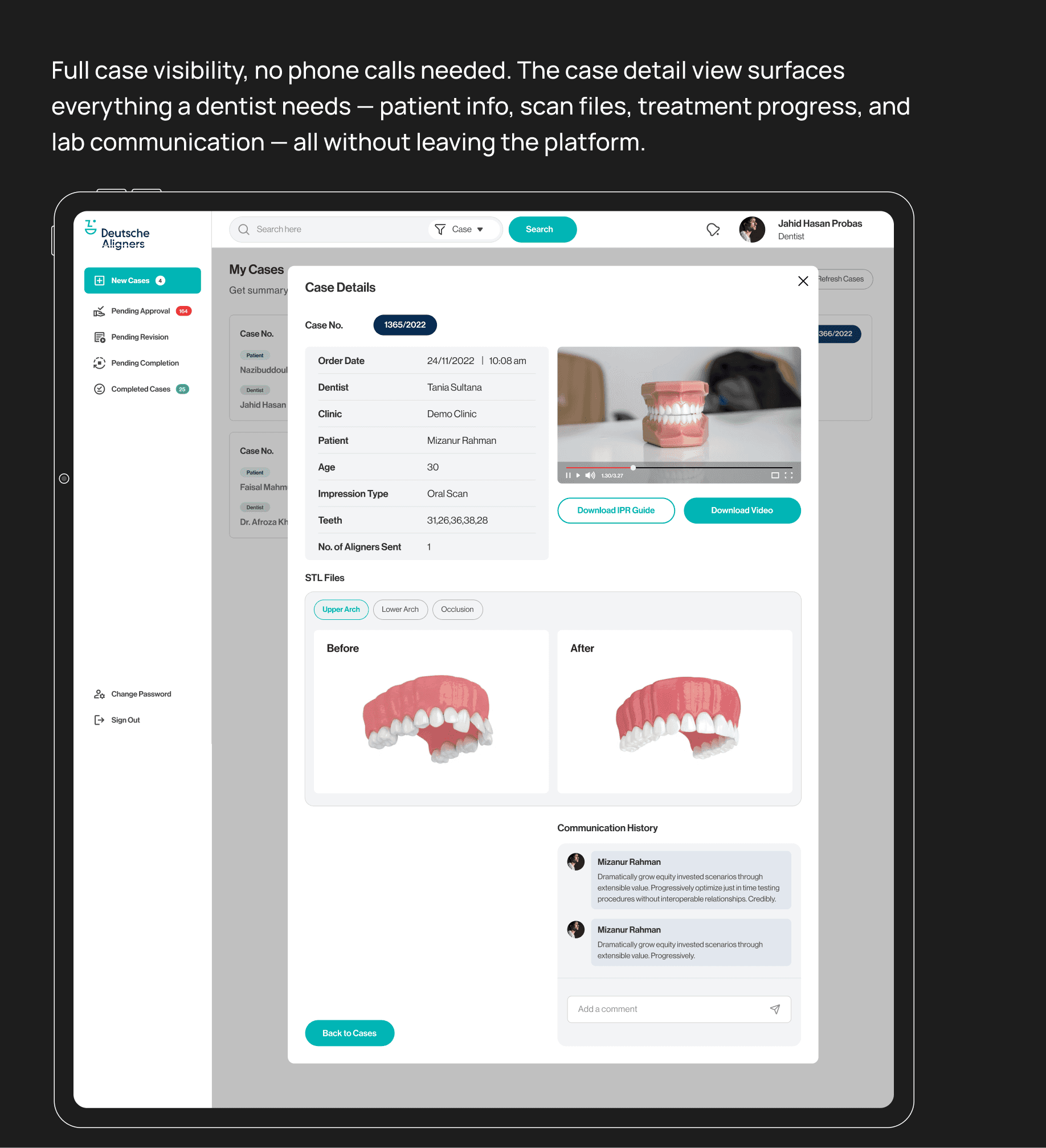
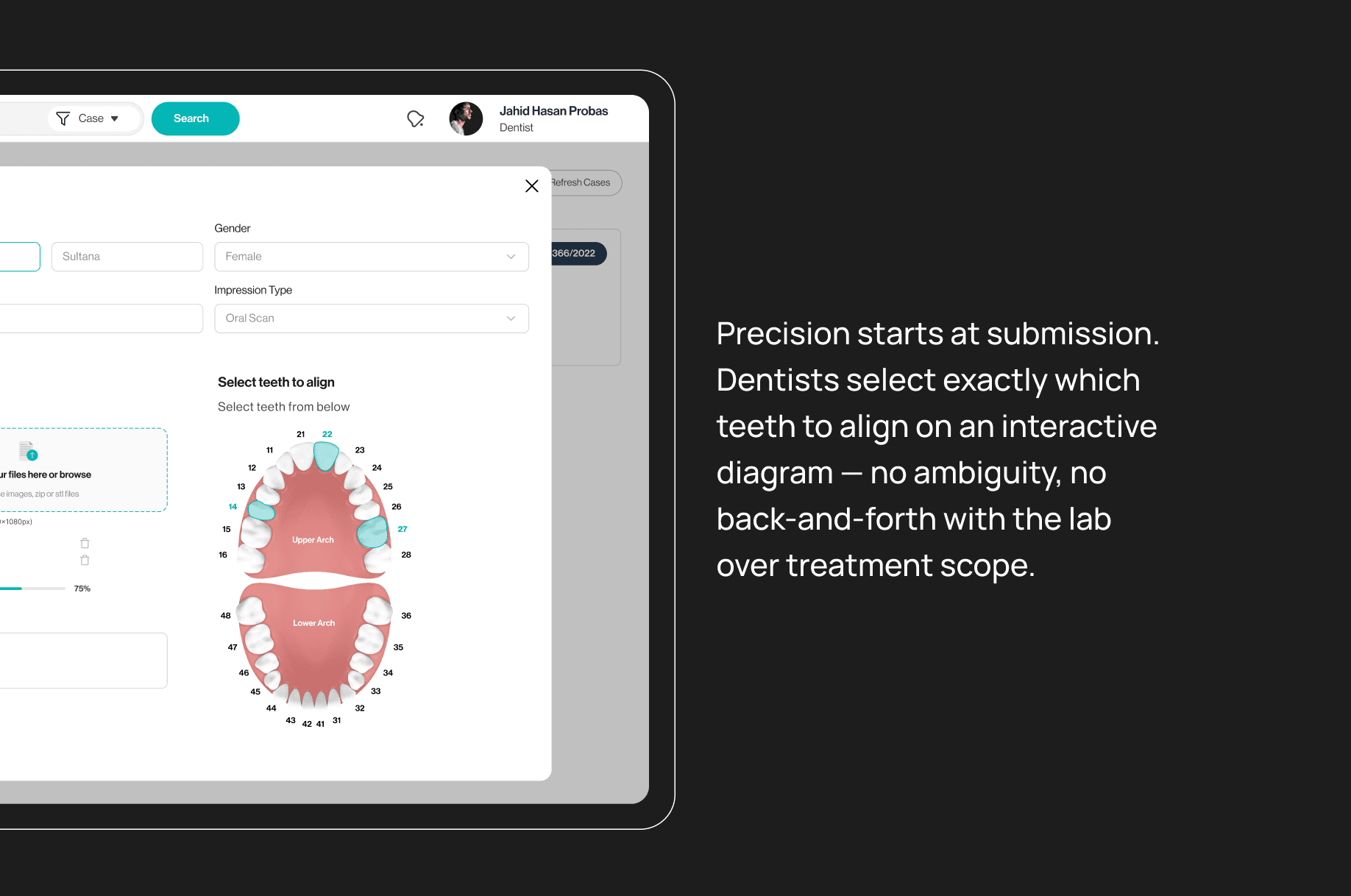
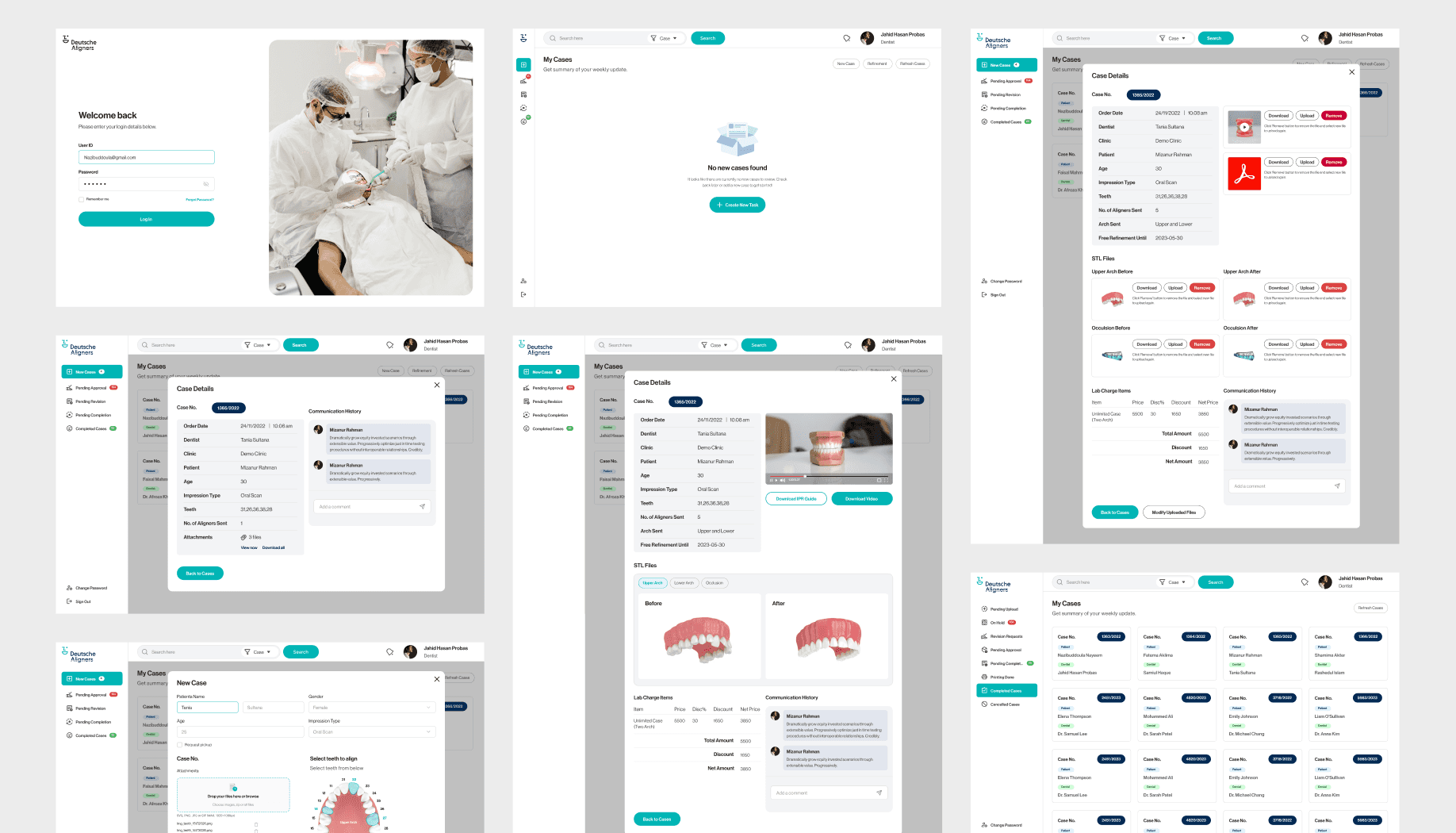
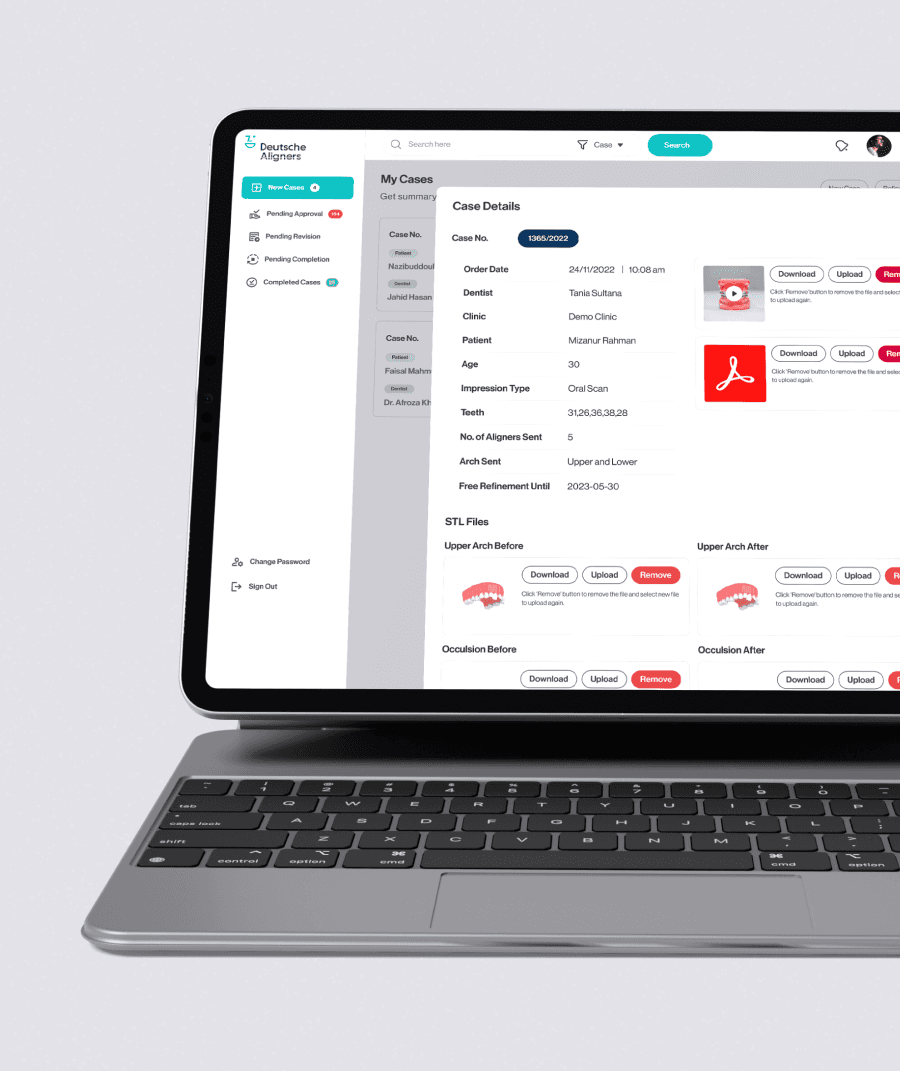
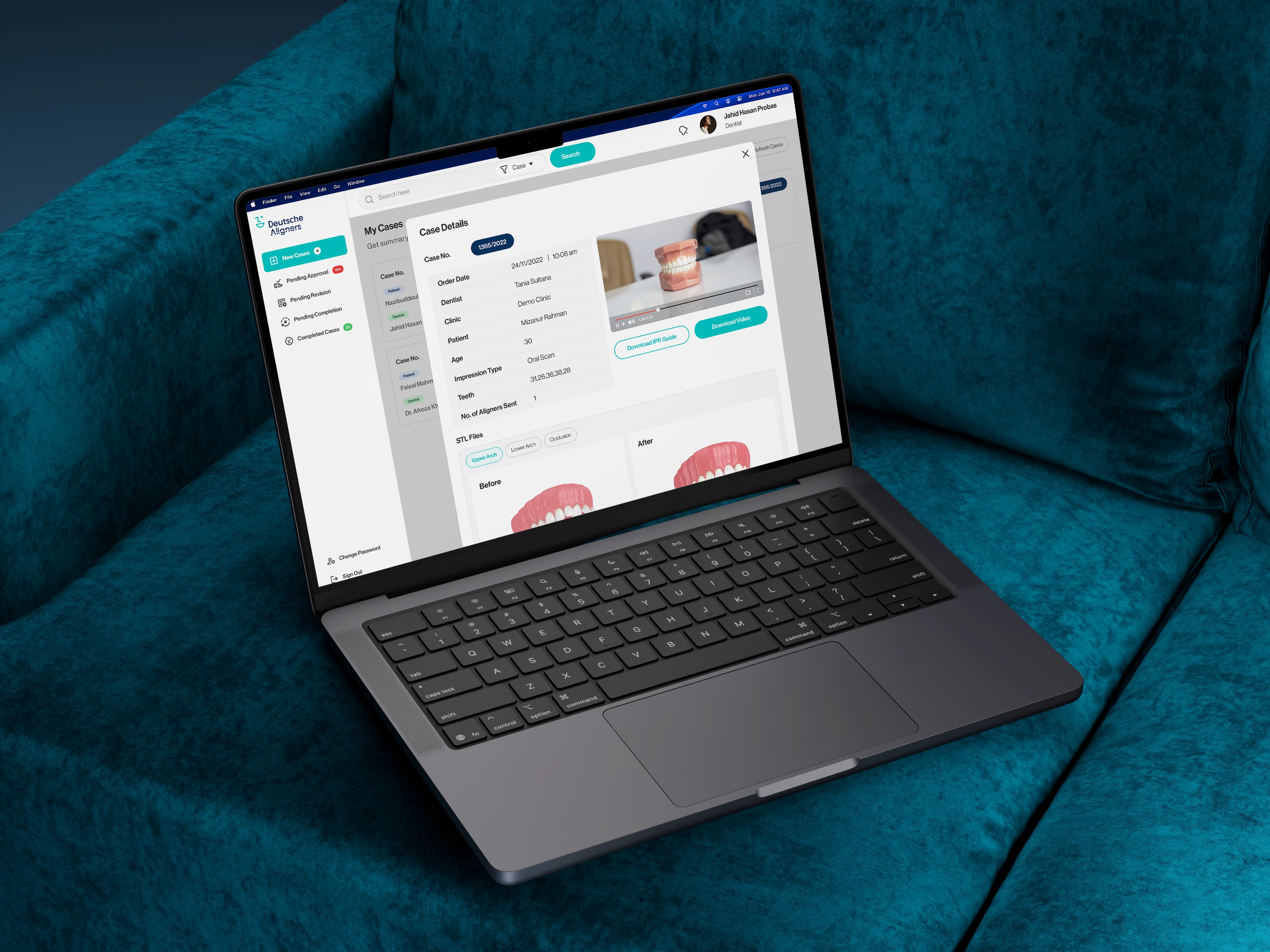
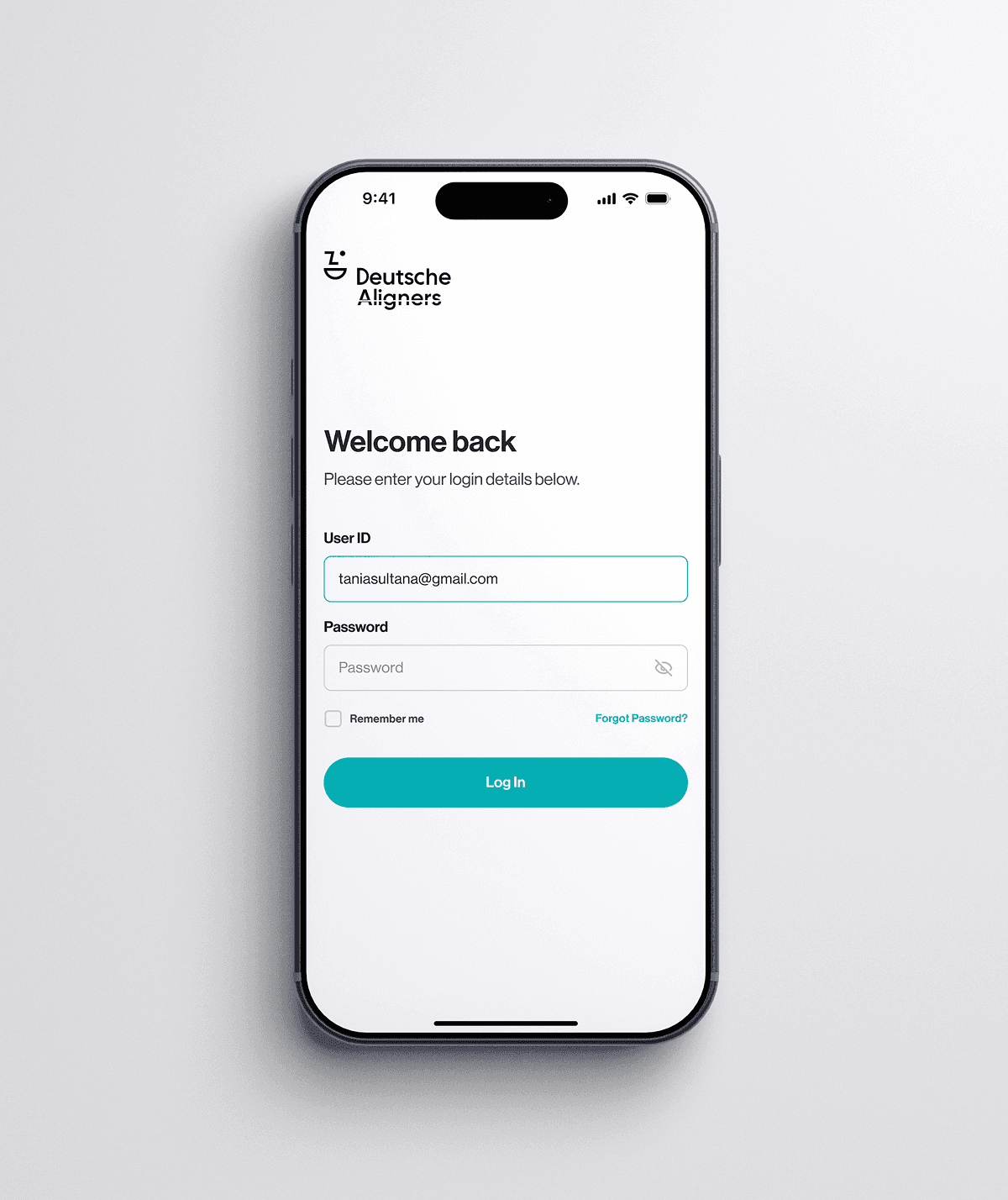
With structure validated, every screen was brought to full fidelity. The design system's tokens, components, and interaction patterns were applied across all three surfaces — the dentist platform, the lab portal, and the marketing site. Each screen was refined until function and form were inseparable, and every detail reflected the clinical precision Deutsche Aligners is known for.
Lumentra Labs partnered with VioResume to design and build an AI-powered resume platform from the ground up. We crafted every screen and interaction — from onboarding to job matching — helping users stand out and land their dream job faster.
The Problem
Deutsche Aligners had built a strong clinical reputation, but their digital experience was actively working against them. Dentists struggled with a fragmented case submission workflow, the marketing site failed to convert visitors, and there was no cohesive design system tying any of it together.
Within six months of launch, Deutsche Aligners' user base grew by 263% while their bounce rate dropped by 87% — a clear signal that the redesign didn't just look better; it worked better.
Designed around the people who use it every day. We put dentists at the centre of every decision — mapping their real workflows, removing the friction that cost them time, and replacing it with clarity at every touchpoint. Deutsche Aligners had the clinical precision. We built the digital experience to match it.
Structure Before Style
Designed around the people who use it every day. We put dentists at the centre of every decision — mapping their real workflows, removing the friction that cost them time, and replacing it with clarity at every touchpoint. Deutsche Aligners had the clinical precision. We built the digital experience to match it.
Structure Before Style
Before a single colour was applied or component built, we wireframed all three surfaces — the marketing site, the dentist platform, and the lab portal. Low-fidelity first, so every layout decision was grounded in user flows, not aesthetics. Structure locked in, then style followed.
From Skeleton to Screen
With structure validated, every screen was brought to full fidelity. The design system's tokens, components, and interaction patterns were applied across all three surfaces — the dentist platform, the lab portal, and the marketing site. Each screen was refined until function and form were inseparable, and every detail reflected the clinical precision Deutsche Aligners is known for.
Lumentra Labs partnered with VioResume to design and build an AI-powered resume platform from the ground up. We crafted every screen and interaction — from onboarding to job matching — helping users stand out and land their dream job faster.
The Problem
Deutsche Aligners had built a strong clinical reputation, but their digital experience was actively working against them. Dentists struggled with a fragmented case submission workflow, the marketing site failed to convert visitors, and there was no cohesive design system tying any of it together.
Within six months of launch, Deutsche Aligners' user base grew by 263% while their bounce rate dropped by 87% — a clear signal that the redesign didn't just look better; it worked better.
Designed around the people who use it every day. We put dentists at the centre of every decision — mapping their real workflows, removing the friction that cost them time, and replacing it with clarity at every touchpoint. Deutsche Aligners had the clinical precision. We built the digital experience to match it.
Structure Before Style
Designed around the people who use it every day. We put dentists at the centre of every decision — mapping their real workflows, removing the friction that cost them time, and replacing it with clarity at every touchpoint. Deutsche Aligners had the clinical precision. We built the digital experience to match it.
Structure Before Style
Before a single colour was applied or component built, we wireframed all three surfaces — the marketing site, the dentist platform, and the lab portal. Low-fidelity first, so every layout decision was grounded in user flows, not aesthetics. Structure locked in, then style followed.
From Skeleton to Screen
With structure validated, every screen was brought to full fidelity. The design system's tokens, components, and interaction patterns were applied across all three surfaces — the dentist platform, the lab portal, and the marketing site. Each screen was refined until function and form were inseparable, and every detail reflected the clinical precision Deutsche Aligners is known for.